
The harsh reality is that only 2% of shoppers complete a purchase on the first visit to your website. Initial conversion rates tend to be a major concern to smaller e-commerce stores. This number is low but it just shows marketing in e-commerce is, more often than not, about the long-term game. You could be getting a high volume of traffic, but if they aren’t converting then it’s just vanity. Traffic only counts when those visitors convert to paying customers.
The key is to accept that visitors are unlikely to make a purchase the first time they interact with your business, regardless of what industry you’re in. It’s far more effective to target those who have visited site more than once or interacted with your business in the past. Both retargeting and remarketing enable you to reach out to those potential customers.
By visiting your site or interacting with your business multiple times, they are clearly interested in what you have to offer. By ignoring those who have just visited your site once without ever coming back, you will be discarding the least likely prospects. Retargeting and remarketing to the hot leads will become an integral part of your marketing strategy.
While retargeting and remarketing ultimately have similar goals, there are differences in their execution and methods. There’s an understandable and widespread misconception that the two terms essentially mean the same thing. Even Google isn’t immune to this:
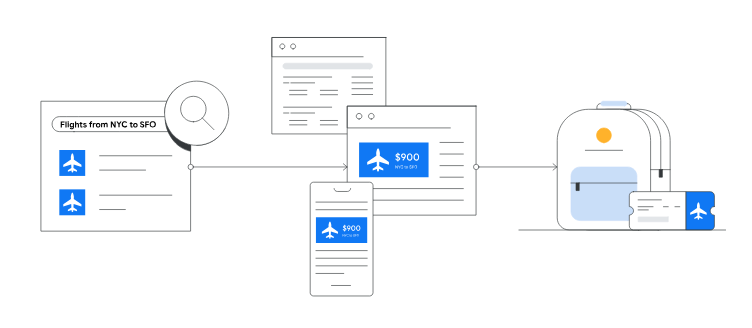
(Source: Google.com)
Google’s Remarketing tool is actually an example of retargeted advertising. So, what’s the difference between the two?
Let’s take a look in greater detail as we clear the air between these two terms:
Retargeting
Retargeting takes several different forms but the most common is online advertising or display ads, which are aimed at users who have interacted with your business in specific ways. One such example is when a visitor goes to your site and clicks on a product, a cookie is set in their browser. You can then use this information to “retarget” them with ads based on their interactions once they leave your site.
Retargeting can be split into two categories; “On-site” and “Off-site” events. Therefore, there are different strategies you could adopt depending on the types of interactions you wish to target. Here they are in more detail:
“Off-Site” Interactions: This refers to targeting individuals who have not interacted with your business but share similarities with your existing customers. This could include putting featured ads in search engine results, specific to your products or services.
You can also use social media platforms such as Facebook, to set a criteria based on the interests of your existing customers. Then you can target your ads to your selected audience and only pay when an individual clicks through.
“On-Site” Interactions: This is a better known form of retargeting because it targets individuals who have already visited your site or interacted with your business in some way. By targeting those who have already expressed an interest in your brand, you can increase conversions and retain customers.
Here’s some of the actions that could trigger retargeting campaigns:
- Visited specific product pages or categories
- Abandoned the checkout process
- Found your site through social media or another third-party site
Having just left the site without buying anything, Happy Socks happily follow me to Facebook. While this may seem a little creepy, retargeted ads have higher engagement than non-retargeted campaigns do. This is further proof that people who have already interacted with your brand are more likely to be receptive to advertising.
What is Remarketing?
This is where the misconception can come in, and there are different interpretations in the industry. Some people would bring retargeting under the wider term of “Remarketing.” This is understandable because the goals of both terms are very similar – to win over individuals who have demonstrated an interest in your brand.
At MageMail, we are very clear on making a distinction between retargeting and remarketing. And it’s all in the “how” it works.
Remarketing is essentially using email or other forms of mail to target individuals who have interacted with your business. The principal aim is to re-engage with potential customers who have shown an advanced interest in your products or services.
One classic example of remarketing is abandoned cart emails.
With the cart abandonment rate averaging up to 76.9% across e-commerce, email marketing is one of the most effective ways of winning them back. When a potential customer abandons their cart and is followed-up with an abandoned cart email, they’re two times more likely to open that email than regular marketing emails.
The email is personalized with images of the products the recipient left behind. It’s a great way to entice customers back to complete their purchases. MageMail will allow Magento store owners to to set up an abandoned cart sequence to recover revenue. Every month, MageMail helps stores recover over a million dollars a month with its abandoned cart triggers.
Another good example is product recommendation emails. This could be based on purchase history, or even browsing history.
Amazon continues to do it well. Within hours of me searching for a vegetable spiralizer on its site, the leading e-commerce brand sends this email.
With the product fresh in my mind, Amazon remarket other options for me to check out. By recommending similar items, the brand is enticing me back to the website.
At MageMail, we offer both features and more. Here’s a list of some remarketing emails you could send with us:
- Abandoned Cart
- Product Recommendation
- Wishlist Reminder
- Winback Campaign
- Purchase Anniversary
- Replenishment Reminder
Remarketing is a proven method of boosting the conversion rate of your e-commerce store. The key is to build a healthy email list, full of subscribers who have directly signed up to receive your emails. This alone is an indication of interest.
With MageMail, you will be able to target those interested individuals with automated and personalized email campaigns. Straight into their inboxes.
Conclusion
While retargeting and remarketing campaigns have many similarities, it’s important to understand the differences.
The easiest way to do this in today’s digital marketing age is this:
Remarketing = Marketing emails triggered by an individual’s behavior
Retargeting = Triggered advertising in response to an individual’s behavior
As you can see the keywords are advertising and emails. The main difference is how they woo customers back. But there are other subtle differences too.
With retargeting, you have the ability to reach out to potential leads who may not have had any direct interaction with your brand. This enables you to grow your customer base as well as reach those who have already been on your site.
Remarketing is different in the sense the subscribers will have already interacted with your brand on some level. It means you can develop a relationship between individuals and your brand. While it may not help you directly find new customers, it can be a highly effective conversion tool. With remarketing, it’s a good first step towards a customer retention strategy, leading to higher order values, and customer lifetime values.
Which strategy should you use?
Both of them! Simultaneously and cohesively, it’s no wonder they’re confusing.
Though they share the same goals, remarketing and retargeting use different methods that appeal to different audiences. So, whatever you call it – make it work by applying the tww strategies.
For example, if you’re looking to extend your market reach then you can use this combination to powerful effect:
Step One: Social media retargeting campaign – Set up a criteria to target individuals who have similar interests and behaviors to your existing customers.
Step Two: Ensure a high-quality landing page – Designing a killer ad that gets the audience clicking is just one part of the puzzle. You also need to make sure the first page they land on is clear, concise, and relevant.
Step Three: Capture their email address – At the earliest opportunity, you should encourage first time visitors to leave their email address. Use a special offer, account setup, or bonus content to entice them to do so. GrooveJar is a great lead generation tool as it works on any website and you can customize pop-ups to your liking.
Step Four: Remarketing campaign – Once you have that invaluable email address, you will be able to remarket your products to your new subscribers. Build a custom audience list in Facebook and run an ad or put them in an email marketing campaign sequence or both.
This is just one example of how remarketing and retargeting could work together to improve the conversion rate of your e-commerce store. At the end of the day, there’s very little you can do to boost conversion rates on a first visit. Use the marketing funnel to identify and target your most promising leads using the two different methods.